
Native Americans of Maine
How did the indigenous tribes of the northeast coast of the United States interact with the earliest explorers and later ‘Americans’ who came to their lands? Learn more about their experiences in these two books available at The Wandering Bull, LLC!
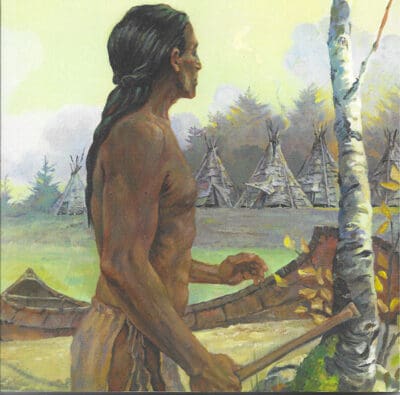
Here First: Samoset and the Wawenock of Pemaquid, Maine.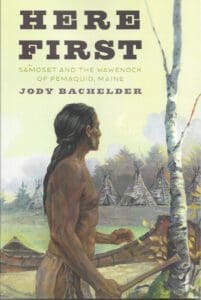
Jody Bachelder studies the experiences of Native Americans. They first met the English colonists in Plymouth, Massachusetts, in 1620. She examines how we know what we do about Samoset and his community.
Bachelder starts with the brief story of Samoset meeting the people who would create Plymouth Plantation. She then looks back to the time before contact. Then she proceeds to describe what happened after that well-remembered but somewhat legendary encounter.
Bachelder offers an overview of the lifestyle of the Wabanaki Indians. Then she describes what happened to the coastal settlements when European sailors arrived. Early contact incidents and settlements in Maine coincided with massive epidemics that resulted in the extinction of entire villages. Europeans arrived on the eastern shores of northern North America to take advantage of sources of fish and timber. Their contact with the Native Americans there led to both trade with and exploitation of the indigenous populations. Exposure to these traders and settlers allowed Samoset to learn enough English to converse.
Samoset traveled south to what is now Massachusetts. He was looking for allies to help his village. There, he met the new arrivals from England. The story goes on to describe how Europeans built trading posts and settlements along the coast. It also shows how the lives of the Native Americans in what is now Maine changed.
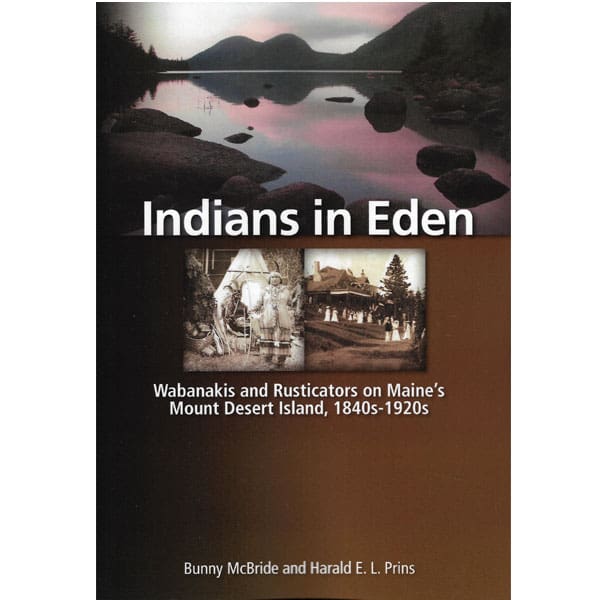
Indians in Eden: Wabanakis and Rusticators on Maine’s Mount Desert Island, 1840s – 1920s.
Bunny McBride and Harald E.L. Prins pick up the next part of the story of the Native Americans in Maine.
This illustrated book has many excerpts from newspapers, interviews, and diaries. They show how the coast of Maine changed in the 19th and early 20th centuries. It focuses on the area that includes Bar Harbor. The ‘Eden’ of the title is what the tourists of that time called Mount Desert Island because of its undeveloped natural beauty. McBride and Prins describe how indigenous communities survived during a period of increased tourism and development while simultaneously being ‘romanticized’ and discriminated against.
As they tried to access the resources they had depended on for millennia, the Wabanaki (including the Passamaquoddy, Penobscot, Maliseet, Mi’kmaq and Abenaki tribes) began to create a trade economy in which they sold handmade items and offered hunting and fishing services to the vacationing wealthy white visitors.
The book describes the craft items like baskets, birchbark canoes, moccasins, snowshoes and bows & arrows that were popular with the seasonal guests. Natives also served as guides for canoeing trips, hunting and fishing. They hunted a variety of birds and porpoises so they could sell feathers (very popular for 19th century ladies’ hats) and oil for lighthouses and clockworks. Some specialized in entertainments of storytelling and dancing, ‘playing up’ the dress and mannerisms expected by white audiences.
The end of the book provides profiles of several ethnographers and anthropologists who recorded legends, history and songs from the remaining Wabanaki who still remembered them. Among these are Native American Joseph Nicolar who wrote The Life and Traditions of the Red Man; Charles Godfrey Leland who wrote Algonquin Legends of New England; and Frank Gouldsmith Speck who authored Penobscot Man: The Life History of a Forest Tribe in Maine.
Reading these books back to back will provide you with a long timeline of the experiences, hardships and survival of the Native Americans from the northeast corner of North America.
Shop all of our History Books including these!
-

Here First
$22.95 Add to cart -
Indians in Eden
$16.95 Add to cart -
Twelve Thousand Years
Price range: $21.56 through $26.95 Select options This product has multiple variants. The options may be chosen on the product page -
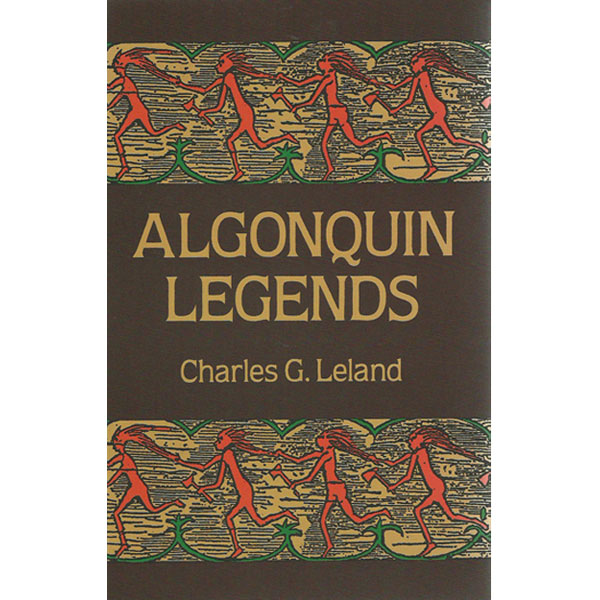
Algonquin Legends
$15.95 Add to cart